Uses
Here are the several uses of Shellac
Uses of Shellac
- Fruit Coatings
- Food Packaging
- Confectionary Glaze
- Cosmetcs
- Phamaceuticals
- Wood Polish
- Shellac Wax
- Bulb Capping
- Printing
- Abrasives
Shellac is not just valued as a finish or polish—it is a highly versatile material with a wide variety of applications across industries. Known for its unique chemical and physical properties, shellac is used in food, pharmaceuticals, cosmetics, electronics, and even as an eco-friendly alternative to synthetic resins. Its natural origin and biodegradability make it a sustainable choice in today’s environmentally conscious world. According to Tolaram Overseas Corporation, one of the leading shellac manufacturers and exporters in India, the demand for shellac continues to grow because of its reliability, safety, and multiple uses. Whether as a protective coating, binding agent, or natural additive, shellac remains an essential product with a legacy that spans centuries and a future that promises even more possibilities.
Write to us
Need help?
Call us at the numbers below and we will help you select the best solution for your needs.
+ 91 33 2219 0124
+91 33 2219 0125
Industries using shellac
Uses of Shellac Across Industries

Pharmaceuticals
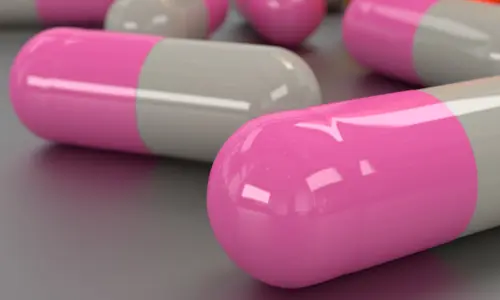
Shellac is widely used in the pharmaceutical industry as a natural coating for tablets and capsules. It acts as an enteric coating, ensuring that pills do not dissolve in the stomach but instead in the lower intestine—helping reduce stomach irritation. Shellac is also applied as a time-release coating, allowing medications to be absorbed gradually for extended effectiveness.
Confectionery & Food Industry
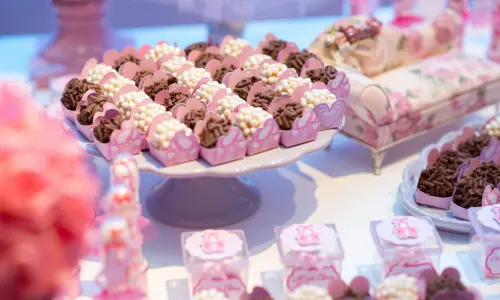
In the food industry, shellac plays an important role as a safe, FDA-approved coating. It is used to give candies such as Reese’s Pieces a glossy finish while providing a protective layer in very thin coatings. In the past, it was even used on M&M’s. Shellac is also used to coat fresh fruits, including apples, to enhance their shine and improve shelf life.
Hat Manufacturing
For decades, shellac has been an essential material in hat-making. It is used to stiffen felt, enabling hat makers to shape brims, crowns, and other designs with durability and precision.
Electrical Industry
Shellac, when mixed with marble dust, is used in the electrical industry to bond metal bases to glass in incandescent bulbs, ensuring strength and insulation.
Shellac Wax
As one of the leading dewaxed shellac manufacturers in India, we supply shellac wax in bulk for diverse industries. Shellac wax serves as a natural alternative to Carnauba Wax and Candelilla Wax. It is widely used as a consistency agent in cosmetics, high-gloss polishes, and lipsticks, making it a preferred choice for the beauty and personal care sector.
Other Uses of Shellac
Shellac has historically played a crucial role in multiple industries, thanks to its unique natural properties. While many of its earlier applications have been replaced by synthetic resins, shellac continues to remain relevant in several areas even today.
Industrial Applications
Grinding Wheels – Shellac is used in the manufacture of grinding wheels because it allows abrasive particles to break off under low heat, continuously exposing fresh abrasive surfaces for efficient grinding.
Leather Finishing & Painting – When pigmented with titanium dioxide, shellac is widely used as a stain sealer, wallboard primer, and knot and sap sealer on wood. Painters and leather workers continue to rely on its versatility.
Historical Uses
In the past, shellac was extensively used for:
Electrical Insulation – As a natural insulator in early electrical components.
Adhesive – A surprisingly strong glue for bonding glass and metal.
Phonograph Records – The famous “78 RPM records” were made from a mixture of shellac, fillers, and lampblack.
Personal Care & Polishes – Found in hair sprays, no-rub floor polishes, and even as a durable finish for bowling alleys.
Shift to Synthetic Resins
With the invention of durable synthetic resins such as Bakelite, cellulose nitrate, acrylics, and urethanes, many of shellac’s traditional uses declined. However, despite these alternatives, shellac remains irreplaceable in several modern applications due to its natural, eco-friendly, and versatile nature.
A Natural Wonder
What makes shellac truly fascinating is that, despite countless attempts to recreate it in laboratories, no synthetic version has ever matched the quality of the natural resin produced by the tiny Indian lac bug. Even today, shellac continues to be valued worldwide as a sustainable material with applications that blend tradition and innovation.
Making The Cut
The ratio of dry shellac flakes dissolved in alcohol is known as the cut. It refers to the amount in pounds of dry shellac flakes dissolved in 1 gallon of alcohol. A 3 lb. cut would be 3 pounds of shellac dissolved in 1 gallon of alcohol. A 1 lb. cut would be 1 pound of shellac dissolved in a gallon an so on. Since a gallon is a large amount for most finishing tasks, you can factor down the ration to suit your needs. For example ¼ lb flakes dissolved in 1 pint of alcohol will yield a 2 lb. cut. It’s best to weigh the shellac flakes – small inexpensive food portion scales calibrated in ounces are available at house ware supply stores.
Implications of Shellac
Wood Treatment (primers, high gloss and mat polishes); Electrics (insulators); Printing inks, inks and china inks; Cosmetics (binder for mascara, shampoo, film former for hairspray, micro incapsulation of fragrances); Food (fruit coatings, parting and glazing agent for confectionary and chocolates); Pharma (tablet coating); Abrasives (binder for grinding wheels); Dental; Hat manufacturing (for stiffening); Conditioning for wooden floors; Leather finishes; Pyrotechnics; Coating of seeds; Micro incapsulation of dyestuffs.